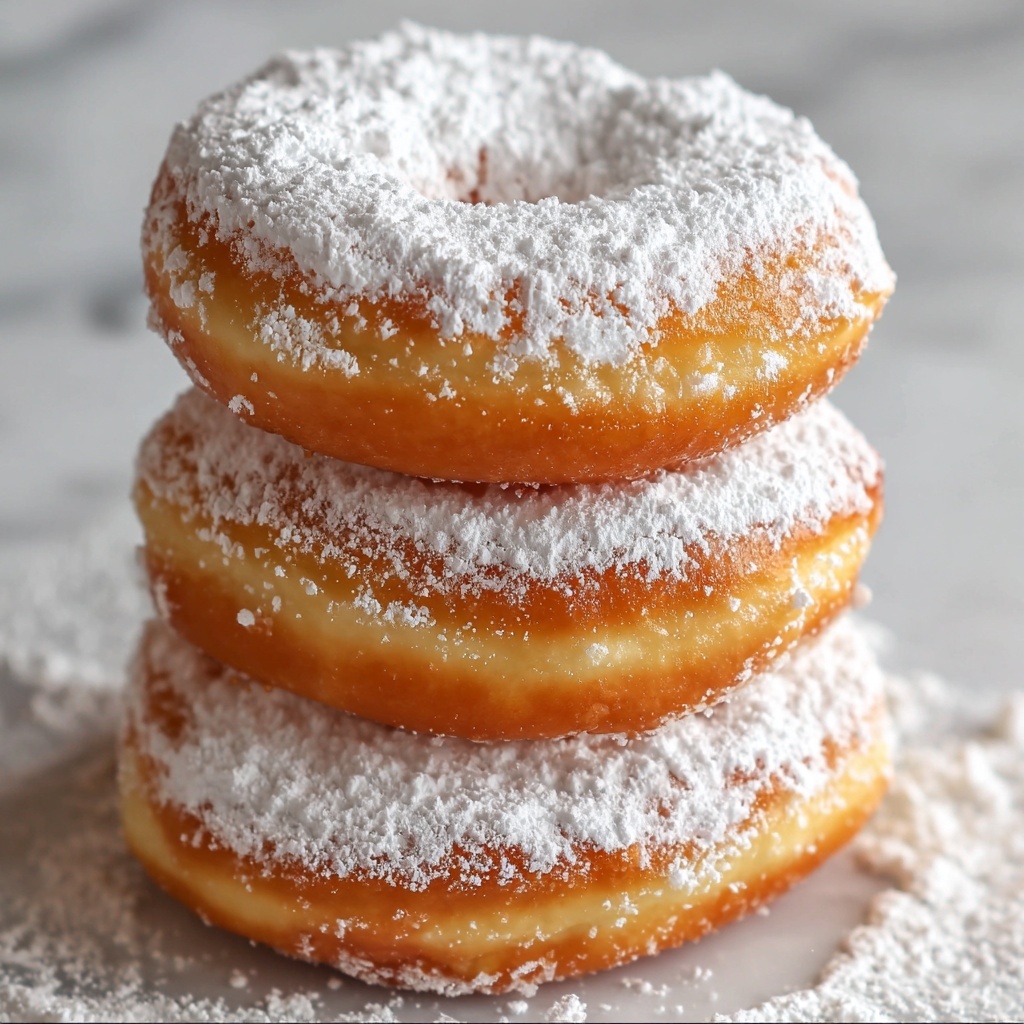
If you’ve ever strolled through the French Quarter or imagined yourself savoring a sweet treat at a New Orleans café, then you know the magic of fluffy, sugary beignets. This Classic New Orleans Beignets Recipe captures all that charm and deliciousness right in your own kitchen. These pillowy squares of fried dough, dusted generously in powdered sugar, are irresistible any time of day. Whether you’re whipping them up for breakfast, a snack, or dessert, this recipe promises that authentic taste that has made beignets a timeless favorite.
Ingredients You’ll Need
Don’t be intimidated by the list—it’s beautifully simple! Each ingredient plays a starring role, coming together to create the perfect balance of flavor, texture, and that iconic golden hue.
- 2 ½ cups all-purpose flour: The foundation that gives the beignets structure and softness.
- 2 tablespoons granulated sugar: Adds just a touch of sweetness to the dough.
- 2 teaspoons baking powder: The secret booster that makes these beignets wonderfully fluffy.
- ½ teaspoon salt: Enhances all the flavors in the mix for a balanced taste.
- ¾ cup whole milk: Provides moisture and richness that keep the dough tender.
- 2 large eggs: Help bind the dough together while adding richness.
- 1 teaspoon vanilla extract: Infuses a subtle aromatic note that elevates the flavor.
- Vegetable oil (for frying): Ensures a crispy, golden finish without overpowering the beignets.
- Powdered sugar (for dusting): The classic finishing touch that delivers sweet, snowy bliss.
How to Make Classic New Orleans Beignets Recipe
Step 1: Mix the Dry Ingredients
Begin by whisking together your flour, sugar, baking powder, and salt in a large bowl. This dry mix is your base and combining it thoroughly ensures even flavor and rising when fried. It’s quick but essential for a smooth dough.
Step 2: Combine the Wet Ingredients
In a separate bowl, beat together milk, eggs, and vanilla extract until smooth. This mixture brings moisture and a lovely depth of flavor, setting up the perfect contrast to the dry ingredients.
Step 3: Bring Wet and Dry Together
Pour the wet mixture into the dry mix and stir gently just until everything is combined. Overmixing can toughen the dough, so be gentle to keep those beignets light and airy.
Step 4: Knead and Roll Out the Dough
Turn your dough onto a floured surface and knead lightly about three to four times. This quick kneading makes it easier to roll out without developing too much gluten, ensuring a tender bite. Roll the dough to approximately ¼ inch thick, primed for cutting.
Step 5: Cut into Squares and Heat Oil
Cut the dough into 2-inch squares, perfect for easy frying and bite-sized goodness. Meanwhile, heat your vegetable oil to 360°F (182°C) in a deep pot—this temperature is key for that crispy outside and fluffy interior.
Step 6: Fry to Golden Perfection
Fry the dough squares in batches, about 1-2 minutes per side until they puff up with a rich golden brown color. Avoid overcrowding the pot to keep the oil temperature steady and the beignets non-greasy.
Step 7: Drain and Dust with Powdered Sugar
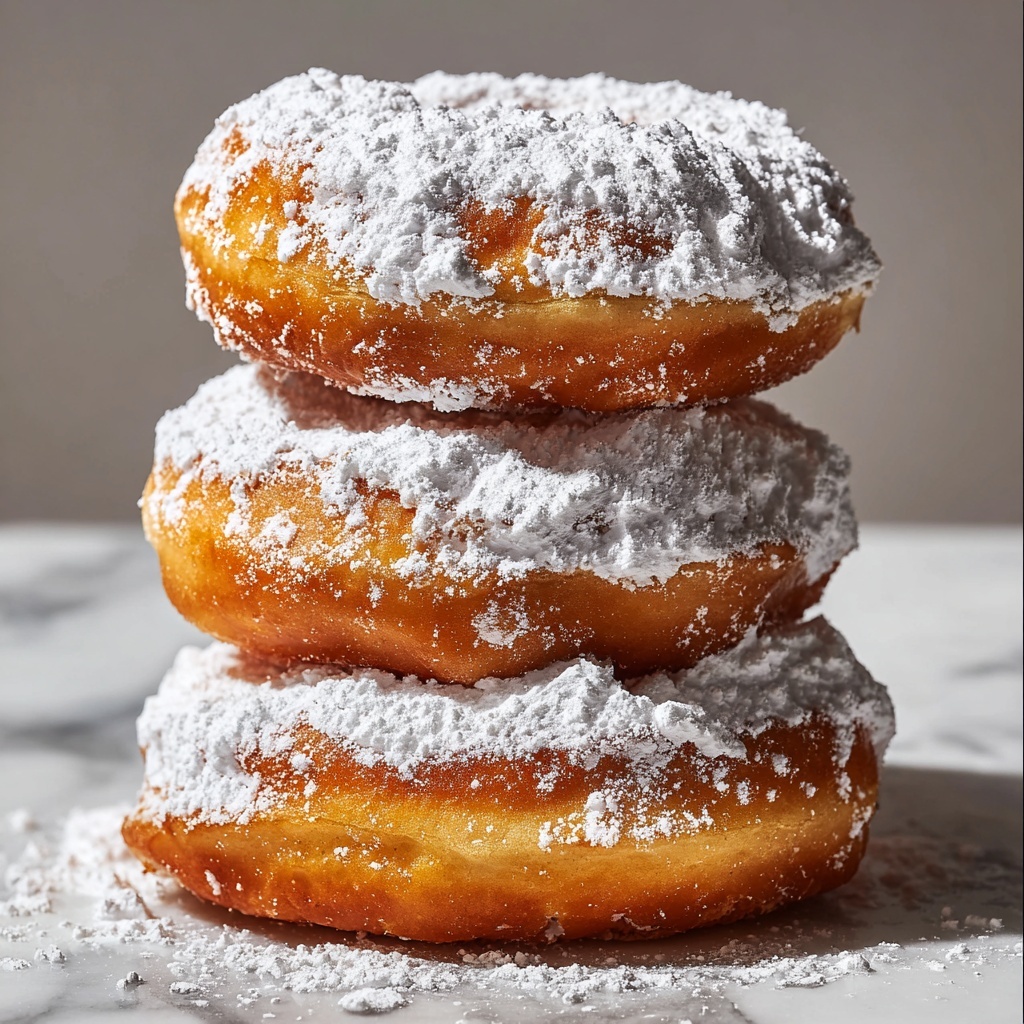
Once fried, use a slotted spoon to transfer the beignets to paper towels to drain excess oil. The pièce de résistance is to dust them generously with powdered sugar while still warm—this melt-in-your-mouth finish is pure happiness.
How to Serve Classic New Orleans Beignets Recipe
Garnishes
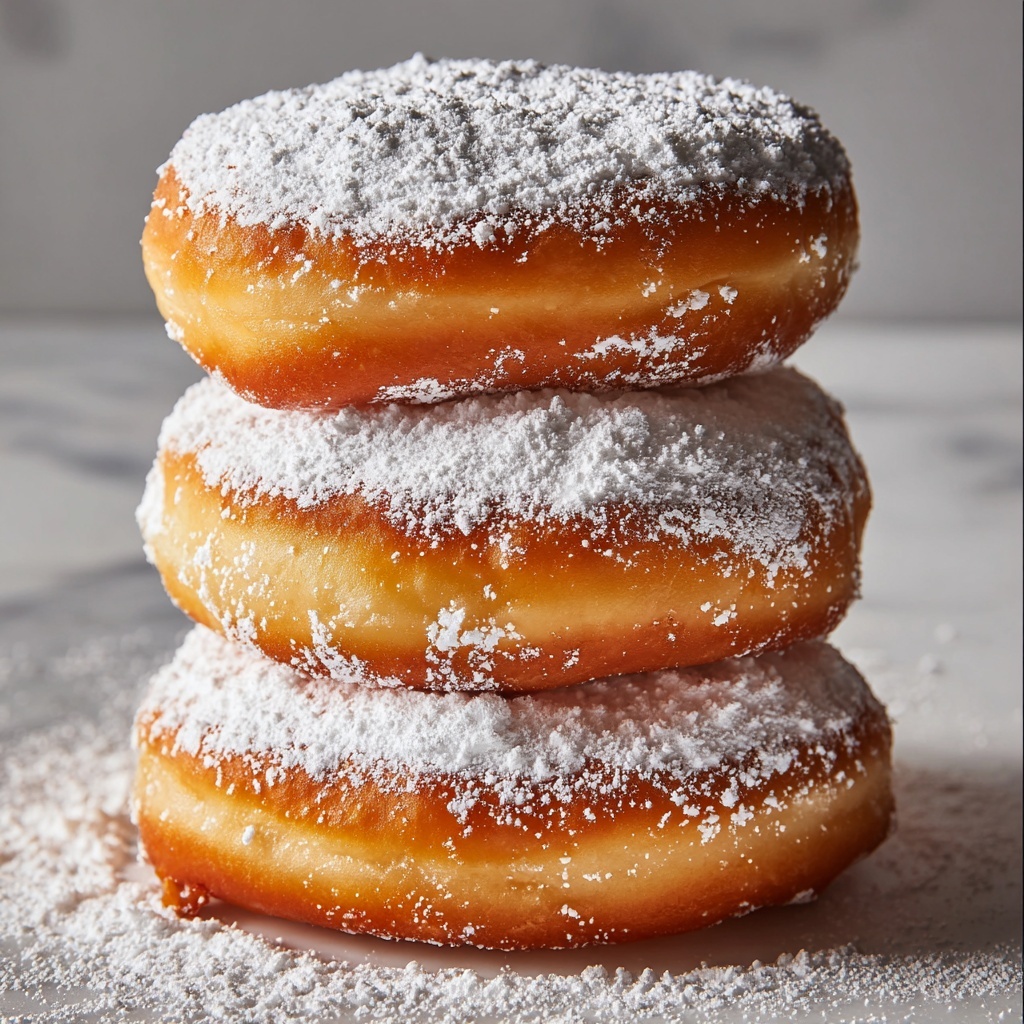
While powdered sugar is undoubtedly the star, you can sprinkle on a hint of cinnamon or even a dusting of cocoa powder for a twist. Fresh berries or a drizzle of fruit syrup can add a burst of color and tang, playing beautifully with the sweet dough.
Side Dishes
Traditionally enjoyed with a cup of rich, dark coffee—think café au lait or chicory coffee for the full New Orleans experience. Pairing beignets with fresh fruit or a creamy yogurt can also balance their sweetness and keep things light and refreshing.
Creative Ways to Present
For a fun brunch setting, serve beignets piled high in a wire basket lined with a colorful napkin. You can even create a “beignet bar” with small bowls of flavored sugars, jams, and sauces for dipping, turning this recipe into an interactive and festive delight.
Make Ahead and Storage
Storing Leftovers
If you find yourself with extra beignets, store them in an airtight container at room temperature for up to a day. They are best enjoyed fresh, but careful storage keeps them from drying out too quickly.
Freezing
You can freeze leftover beignets by wrapping each piece individually in plastic wrap and placing them in a freezer-safe bag. They will keep well for up to one month, providing a sweet emergency treat whenever the craving hits.
Reheating
To bring frozen or leftover beignets back to life, pop them in a preheated oven at 350°F (175°C) for about 5-7 minutes. This revives their crispy exterior while warming the inside to perfection. Avoid the microwave if you want to keep that crunchy texture.
FAQs
Can I make this batter ahead of time?
It’s best to make the batter fresh for frying. The dough tends to lose its airy quality if it sits too long, which can affect how fluffy your beignets turn out.
What oil is best for frying beignets?
Vegetable oil is ideal because it has a neutral flavor and a high smoke point, which is perfect for deep frying. You can also use peanut or canola oil if you prefer.
Are beignets gluten-free?
Traditional beignets are made with all-purpose flour, so they are not gluten-free. However, you can experiment with gluten-free flour blends, though the texture will vary from the classic version.
Why are my beignets dense instead of fluffy?
This usually happens if the dough is overmixed or overkneaded. Be sure to mix gently and knead just a few times. Also, frying at the correct oil temperature ensures proper puffing and texture.
Can I substitute milk with a non-dairy alternative?
Yes! Non-dairy milk like almond or soy milk works fine in this recipe. Just make sure the alternative is unsweetened to keep the beignet flavors balanced.
Final Thoughts
Now that you have this wonderful Classic New Orleans Beignets Recipe in your culinary toolkit, you’re just a few steps away from bringing a slice of Louisiana joy into your home. These golden, fluffy pieces of heaven are incredibly satisfying to make and even better to share. Trust me, once you try this recipe, your kitchen will be filled with the irresistible aroma that will have everyone asking for seconds. Go ahead, treat yourself—you deserve this sweet indulgence.
Print
Classic New Orleans Beignets Recipe
- Prep Time: 10 minutes
- Cook Time: 15 minutes
- Total Time: 25 minutes
- Yield: 12 servings
- Category: Dessert
- Method: Frying
- Cuisine: Creole
Description
Classic New Orleans Beignets are light, fluffy, deep-fried dough squares dusted with powdered sugar, perfect for a sweet breakfast or snack inspired by authentic Creole flavors.
Ingredients
Dry Ingredients
- 2 ½ cups all-purpose flour
- 2 tablespoons granulated sugar
- 2 teaspoons baking powder
- ½ teaspoon salt
Wet Ingredients
- ¾ cup whole milk
- 2 large eggs
- 1 teaspoon vanilla extract
Frying & Finishing
- Vegetable oil (for frying)
- Powdered sugar (for dusting)
Instructions
- Mix Dry Ingredients: In a large bowl, whisk together the all-purpose flour, granulated sugar, baking powder, and salt until evenly combined and aerated.
- Combine Wet Ingredients: In a separate bowl, beat together the whole milk, eggs, and vanilla extract until the mixture is smooth and homogeneous.
- Make Dough: Pour the wet ingredient mixture into the dry ingredients, stirring gently just until combined to avoid overmixing, which can toughen the beignets.
- Knead and Roll Dough: Turn the dough out onto a floured surface and knead it lightly about 3 to 4 times to bring it together, then roll it out evenly to about ¼ inch thickness for perfect puffing during frying.
- Cut Dough Squares: Using a knife or pastry cutter, cut the rolled dough into approximately 2-inch squares for uniform frying and presentation.
- Heat Oil: In a deep, heavy-bottomed pot, heat vegetable oil to 360°F (182°C); maintaining this temperature is crucial for crisp, golden beignets.
- Fry Beignets: Fry the dough squares in batches, cooking each side for 1 to 2 minutes until they turn golden brown and puff up nicely.
- Drain and Dust: Remove the fried beignets with a slotted spoon, drain on paper towels to remove excess oil, and generously dust with powdered sugar while still warm before serving.
Notes
- Ensure the oil temperature stays consistent at around 360°F for even cooking and to prevent greasy beignets.
- Do not overmix the dough to keep the texture light and airy.
- Serve beignets immediately after frying for the best taste and texture.
- Use a thermometer to accurately monitor frying oil temperature for optimal results.
- Beignets are best enjoyed fresh, but leftovers can be reheated briefly in an oven for crispness.