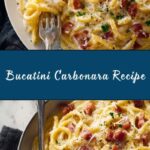
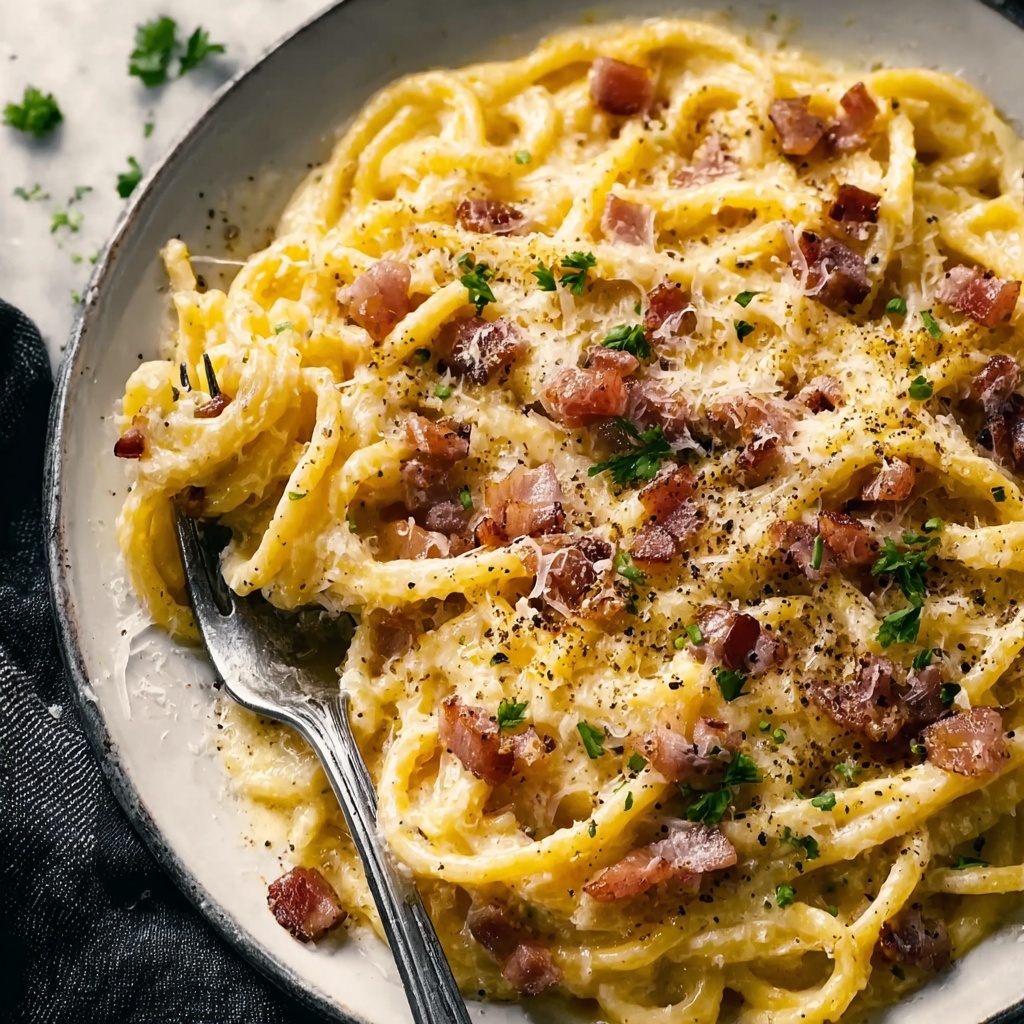
If you have ever dreamed of making an Italian classic that feels like a warm hug from the heart of Rome, this Bucatini Carbonara Recipe is the one to bring to your table. Creamy, comforting, and with just the right amount of bite from al dente bucatini noodles, this dish combines simple pantry staples into a luxuriously smooth sauce with crispy pancetta or guanciale bits that add mouthwatering texture. It’s the sort of dish that effortlessly impresses guests while feeling like a cozy, home-cooked treasure every single time.
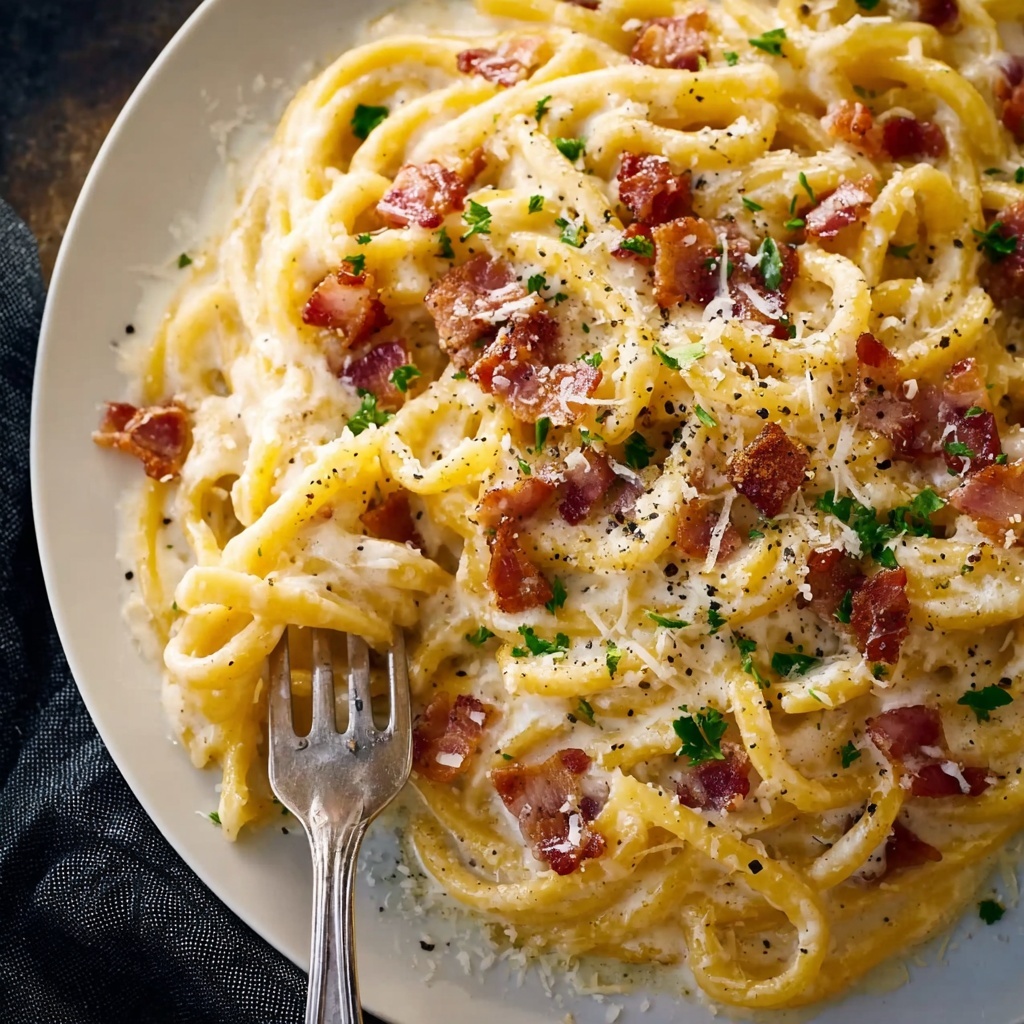
Ingredients You’ll Need
The beauty of a Bucatini Carbonara Recipe lies in its simplicity. Each ingredient has a starring role that delivers authentic flavor, amazing texture, and that classic creamy finish without any heavy cream or complicated sauces.
- 12 ounces bucatini pasta: The hollow shape soaks up the sauce perfectly, giving every bite a wonderful creaminess.
- 4 ounces pancetta or guanciale, diced: Brings a crispy, salty punch that is essential to authentic carbonara flavor.
- 2 large eggs: Provide the rich, silky base for the sauce when combined with the cheese.
- 2 large egg yolks: Add extra creaminess and a beautiful golden color to the sauce.
- 1 cup finely grated Pecorino Romano cheese: Offers a sharp, salty tang that deepens the flavor profile.
- 1/2 teaspoon freshly ground black pepper: Adds just the right amount of spicy heat to cut through the richness.
- 1/2 teaspoon salt for pasta water: Enhances the pasta’s flavor from the inside out.
- 1/4 cup reserved pasta cooking water: Used to loosen the sauce and make it luxuriously silky.
How to Make Bucatini Carbonara Recipe
Step 1: Cook the Pasta
Start by bringing a large pot of salted water to a rolling boil. Add the bucatini pasta and cook it just until al dente, following the package instructions closely. The pasta should have a little bite to it so it doesn’t get mushy when tossed in the sauce later.
Step 2: Crisp the Pancetta or Guanciale
While the pasta cooks, heat a skillet over medium heat and add the diced pancetta or guanciale. Allow it to cook gently until it’s golden and crispy, and the fat has rendered out—this usually takes about 5 to 7 minutes. This flavorful fat is pure gold for your carbonara sauce.
Step 3: Whisk the Egg and Cheese Mixture
In a medium bowl, whisk together the eggs, egg yolks, finely grated Pecorino Romano cheese, and freshly ground black pepper until the mixture is smooth and creamy. This combination will create the signature silky texture for the sauce.
Step 4: Combine Pasta and Pancetta
Reserve about 1/4 cup of the pasta cooking water, then drain the bucatini promptly. Add the hot pasta to the skillet with the crispy pancetta and toss thoroughly to coat every strand with the flavorful rendered fat. This step ensures every bite is infused with that wonderful pork flavor.
Step 5: Create the Creamy Sauce
Remove the skillet from the heat and quickly pour the egg and cheese mixture over the pasta. Toss constantly and vigorously so that the eggs gently cook in the residual heat but don’t scramble. Add a splash of reserved pasta water as needed to loosen the sauce and achieve that silky, velvety consistency that makes this Bucatini Carbonara Recipe truly special.
How to Serve Bucatini Carbonara Recipe
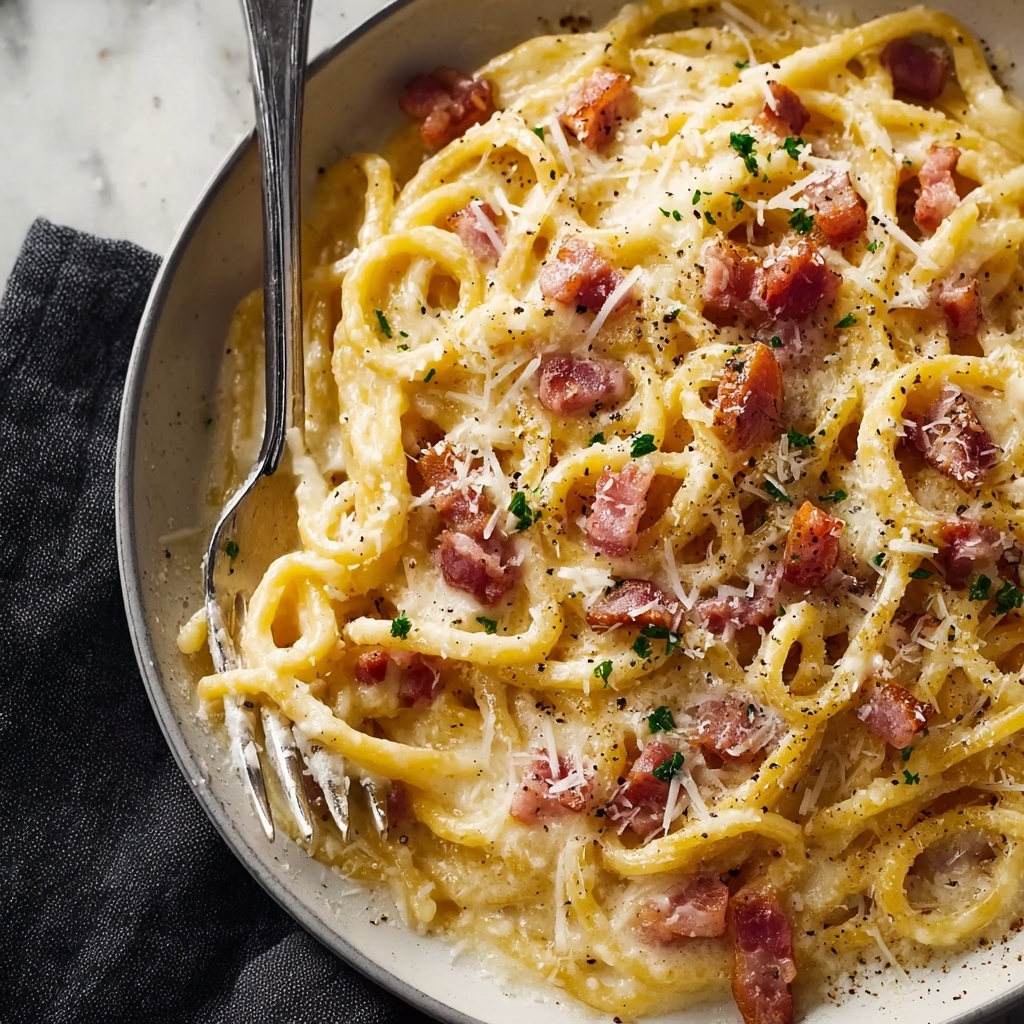
Garnishes
For the best presentation and flavor boost, sprinkle extra grated Pecorino Romano and a fresh crack of black pepper over the top just before serving. These simple garnishes elevate the dish and add a lovely contrast to the creamy sauce.
Side Dishes
This dish loves simple companions. A crisp green salad with a sharp vinaigrette or some roasted seasonal vegetables balances the richness perfectly. If you want to keep it classic, a slice of crusty Italian bread is perfect for mopping up any leftover sauce.
Creative Ways to Present
Impress your guests by serving your Bucatini Carbonara Recipe in warm shallow bowls to keep the pasta warm longer. For a fun twist, try crispy sage leaves or a drizzle of high-quality extra virgin olive oil on top for extra aroma and texture. It’s a dish that welcomes playful personalization.
Make Ahead and Storage
Storing Leftovers
Place any leftovers in an airtight container and refrigerate for up to 2 days. Keep in mind that carbonara is best enjoyed fresh, but storing it properly helps preserve the flavors and textures as much as possible.
Freezing
Because of the egg-based sauce, freezing is not recommended. The texture and creaminess will suffer, so it’s best to enjoy this dish the day it’s made or within a couple of days stored in the fridge.
Reheating
Reheat leftovers gently on the stovetop over low heat, adding a splash of water or broth to loosen the sauce. Avoid the microwave if you can, as high heat can scramble the eggs and ruin that silky carbonara texture.
FAQs
Can I use bacon instead of pancetta or guanciale?
Yes, bacon is a convenient substitute, though it has a smokier flavor. For a more authentic taste, pancetta or guanciale are preferred when available.
Why doesn’t this recipe use cream?
Traditional carbonara relies on eggs and cheese to create its creamy texture. Adding cream is common in some adaptations but changes the classic flavor and richness you expect from a true Italian carbonara.
Is bucatini necessary or can I use spaghetti?
While spaghetti is often used in carbonara, bucatini’s hollow shape helps trap more sauce inside the noodle, making every bite extra luscious. Feel free to use spaghetti if you don’t have bucatini on hand.
How do I prevent the eggs from scrambling?
The key is to remove the skillet from direct heat before adding the egg mixture and to toss vigorously. The residual heat cooks the eggs gently, creating a smooth, silky sauce rather than scrambled eggs.
Can I make this recipe gluten-free?
Absolutely! Simply swap the bucatini for your favorite gluten-free pasta and follow the recipe as usual for a delicious gluten-free Bucatini Carbonara Recipe.
Final Thoughts
This Bucatini Carbonara Recipe is truly one of those timeless dishes that feels both luxurious and homey at once. It’s so rewarding to create a sauce that’s rich, creamy, and packed with flavor using just a handful of ingredients you likely have on hand. I hope you enjoy making and sharing this classic Italian favorite as much as I do — it’s guaranteed to become a cherished go-to recipe for cozy meals and special occasions alike!
Print
Bucatini Carbonara Recipe
- Prep Time: 10 minutes
- Cook Time: 15 minutes
- Total Time: 25 minutes
- Yield: 4 servings
- Category: Main Course
- Method: Stovetop
- Cuisine: Italian
- Diet: Gluten Free
Description
This classic Bucatini Carbonara recipe showcases a rich and creamy Italian pasta dish made without cream, relying on eggs, Pecorino Romano cheese, and pancetta or guanciale for its signature silky texture. Perfectly cooked bucatini is tossed in rendered pancetta fat and combined with an egg-based sauce to create a comforting and elegant main course that serves four.
Ingredients
Pasta
- 12 ounces bucatini pasta
- 1/2 teaspoon salt for pasta water
- 1/4 cup reserved pasta cooking water
Pancetta and Sauce
- 4 ounces pancetta or guanciale, diced
- 2 large eggs
- 2 large egg yolks
- 1 cup finely grated Pecorino Romano cheese
- 1/2 teaspoon freshly ground black pepper
Instructions
- Cook Pasta: Bring a large pot of salted water to a boil and cook the bucatini according to package instructions until al dente.
- Render Pancetta: While the pasta cooks, heat a skillet over medium heat and cook the pancetta or guanciale until crisp and the fat is rendered, about 5–7 minutes.
- Prepare Egg Mixture: In a bowl, whisk together the eggs, egg yolks, grated Pecorino Romano cheese, and black pepper until smooth.
- Reserve Pasta Water and Drain: Before draining the pasta, reserve about 1/4 cup of the pasta cooking water, then drain the pasta thoroughly.
- Combine Pasta and Pancetta: Immediately add the hot pasta to the skillet with the pancetta and toss to coat the pasta in the rendered fat.
- Create the Sauce: Remove the skillet from heat and quickly pour in the egg and cheese mixture, tossing constantly so the eggs gently cook with the residual heat and create a creamy sauce without scrambling.
- Adjust Sauce Consistency: Add some reserved pasta water as needed to loosen the sauce and make it silky smooth.
- Serve: Plate the pasta immediately and garnish with extra Pecorino Romano cheese and freshly ground black pepper on top.
Notes
- Work quickly when adding the egg mixture so the residual heat from the pasta creates a smooth, creamy sauce without scrambling the eggs.
- Guanciale is the traditional meat for carbonara, but pancetta is a great and more accessible substitute.
- Avoid adding cream; traditional carbonara achieves creaminess solely from eggs and cheese.
- For a gluten-free option, substitute bucatini with gluten-free pasta.